Showing posts with label innovation. Show all posts
Showing posts with label innovation. Show all posts
Friday, 23 August 2013


Wednesday, 8 September 2010

Monday, 6 September 2010
The times for IT are changing
Times they
are changing.
The times for
IT are changing. De nieuwe
applicaties hebben steeds meer do-it-yourself mogelijkheden waardoor eindgebruikers zelf direct aanpassingen kunnen maken binnen de
applicaties.
Met name de opmars van media als
smart phones, netbooks en webbased software zorgen ervoor dat deze trend steeds
meer doordringt binnen de heilige huizen van de IT afdelingen en de Business
Afdelingen als bv Marketing.
Bedrijven die sterk actief zijn met
new media - dit zijn niet alleen alleen jonge bedrijven maar ook bedrijven met
grote marketing en communicatie afdelingen - ervaren problemen met het beheer
van hun applicaties. Daarnaast is het integreren van deze ontwikkeling binnen
een IT strategie een grote uitdaging.
Ik vond dit interessant artikel Ted
Schadler.
Doe er je voordeel mee
Re.M.I.
IT in the
Age of the Empowered Employee
by Ted
Schadler
Incremental
innovation and process improvements have always come from those closest to the
problem. It's the basis of kaizen, a system where employees continually improve
manufacturing processes. It's also a founding principle of Six Sigma — tap
employees' relentless, incremental quality improvements.
The same is
true in the way employees are harnessing consumer technologies — social,
mobile, video, and cloud. They're improving how they do their jobs and solving
your customer and business problems. And it's not just a few employees; it's a
critical mass of employees. In a survey of more than 4,000 U.S. information
workers, we found that 37% are
using do-it-yourself technologies without IT's permission.
LinkedIn, Google Docs, Smartsheet.com, Facebook, iPads, YouTube, Dropbox,
Flipboard — the list is long and growing. Many of these scenarios are
do-it-yourself projects. For example, want to ask me business questions on
Facebook? Piece of cake, I'll just friend you. Personal iPhones for email, apps,
and Internet access outside my clients' door? Check. Google Sites and Docs to
exchange documents with partners? Sure, I can spin up a free site or IT can
spend the $50/user/year and make it secure. YouTube to post fix-it-yourself
videos for tough service problems? My kid's good with a Flip camera. She can
film me doing the fix myself.
In all of
these real cases, an employee figured out a better way to solve a customer or
business problem without IT's help. Call it the consumerization of IT; call it
harnessing the groundswell; call it Technology
Populism. It's all the same thing: individuals harnessing readily available
social, mobile, video, and cloud technology to solve customer and business
problems.
In our new
book, Empowered, we call
these covert innovators HEROes — highly empowered and resourceful operatives.
HEROes are those employees who feel empowered to solve customer problems and
act resourcefully by using whatever technology they need to use. HEROes
comprise 20% of the U.S. information workforce, but your industry may have many
more or many fewer highly empowered and resourceful operatives.
It's all
well and good to have employees solving customer problems. But chaos and rogue
behavior is not okay. To identify the employee initiatives that are worth
pursuing and figure out how to make them safe and enterprise-grade, your IT
organization needs to get involved.
Peter
Hambling, the CIO of Lloyd's of London, recently shared a story with us about
Facebook and iPhone. A sales person wanted to use Facebook to talk to a client.
An underwriter wanted to use a smartphone to access key account and policy
information while away from their computer. The business manager and IT
security professional feared the unknown and shut down both solutions.
As a CIO
with business acumen, Hambling understood that he and his IT organization
needed a new contract with business managers and employees that allowed him to
help with technology solutions while sharing the responsibility for business
risk with employees and managers. To get it done, he took the business case to
the board of directors and got permission to proceed with caution and with a
clear eye on the tradeoff between business value and business risk.
They didn't
stop with Facebook and iPhone. They've also embedded IT staff directly into the
cubicle farms of business employees; they've built innovative solutions with
teams comprised of business and IT employees; they've created applications that
empower employees to understand global risk through a familiar interactive map.
They created a new contract with business managers and employees that gives IT
professionals a place in the business.
Hambling
exemplifies one of the key action items that we've discovered: Make new technology
risk a business problem to be managed rather than an IT problem to be stifled.
And that requires a new way of thinking and of working.
We spoke
with hundreds of people when researching Empowered. In discovering their
solutions to these thorny empowered technology problems, we identified a new
contract that's emerging between IT, business managers, and employees. We call
it the HERO Compact and it looks like this:

In the HERO
Compact, there is a real give and take needed between employees, managers, and
IT in this empowered era. Employees need to step up and behave responsibly
(which means HR needs to be involved). Business managers need to roll up their
sleeves and learn enough about the technology to understand the potential
risks. (Managers also need to encourage and reward experimentation.) IT needs
to assess and mitigate technology risk. And that means IT staff need to be much
closer to business employees and activities so that they can help with technology
platforms. And everybody must put technology-induced risk into its proper
business context. It's a new set of priorities all the way around.
Are you
building a new contract to empower employees to solve the problems of empowered
customers? Are you running into barriers? Finding successes? In either case,
I'd love to hear about it.
Ted Schadler
is VP & Principal Analyst at Forrester Research and Coauthor of Empowered:
Unleash your employees, energize your customers and transform your business.
Thursday, 26 August 2010
Wie niet automatiseert en innoveert, overleeft niet
Wie niet automatiseert en innoveert, overleeft niet
ING Sectorvisie Flexmarkt Augustus 2010
Technologie speelt een steeds belangrijkere rol in onze samenleving. Voor detacheringbureaus betekent dit dat ze moeten investeren in ICT systemen. Het automatiseren van werknemersdatabase(s) bevordert het zoek- en matchingproces
van een kandidaat en daarmee de snelheid waarmee de klant bediend kan worden. De razendsnelle ontwikkeling van social network sites zorgt ervoor dat mensen steeds directer met elkaar in contact staan en dat geldt dus ook voor bedrijven. Daarmee worden uitzenden
detacheringbureaus potentieel overbodig.
Echter, het volledig automatiseren van het matchingproces in werving en selectie is tot op heden in de praktijk niet gelukt. Wel worden er nieuwe diensten ontwikkeld, zoals professionele payrolling, of ingesprongen op de trends zoals het sterk toegenomen belang van zzp’ers. Voor zzp’ers ontstaan er platforms die ze kunnen aanwenden bij het zoeken naar opdrachten waardoor ze zich meer kunnen focussen op het ondernemerschap.
Bedrijven die onvoldoende (te weinig of te laat) investeren in nieuwe technologieën of nalaten te reorganiseren kunnen marktaandeel verliezen of op den duur zelfs verdwijnen.
Friday, 20 August 2010
Social Media Marketing in 3 minutes
Social Media Marketing in 3 minutes
Discover how using Social Media Marketing to promote your business can keep you top of mind with your prospects. Use Social Media to position yourself as an expert in your field, teach people how to solve their problems with your product or service and develop a lasting relationship. After all, we all know people buy from people they know like and trust.
Discover the 4 step formula for using Social Media Marketing for your business...
View also:
- Twitter als marketingkanaal
- Social Media Strategy
- 10 tips for corporate blogging
Monday, 16 August 2010
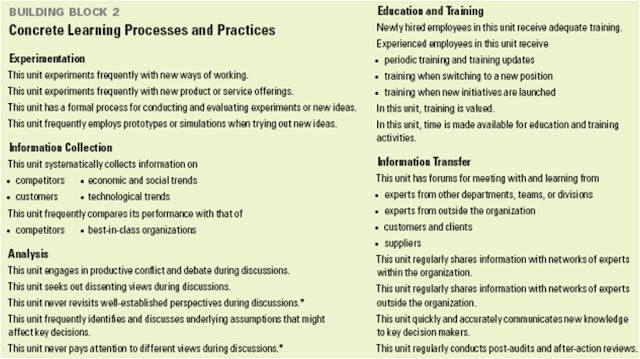
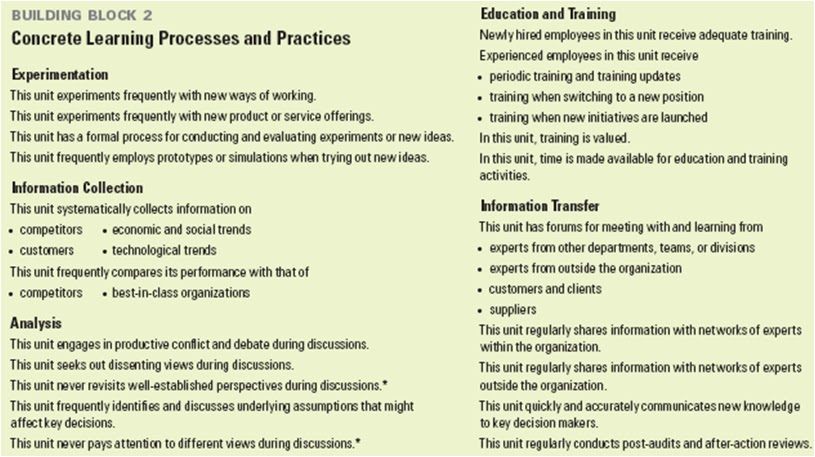
Is your organization a learning organization?
Is your organization a learning organization? Checked this 3 steps.



source: UAMS



source: UAMS
Thursday, 22 July 2010
Friday, 16 July 2010
Twitter made easy
Twitter for dummies!
For all old school people how still think that email is enough in this live.
Here an update!
Thursday, 15 July 2010
How To Make Money From Your Blog
Blogging is hot, but how can you make money form you blog?
Here a nice video about blogging and making money with blogging.
Regards,
Remi
Tuesday, 13 July 2010
Top trends in change management
Top trends in change management
2009 edition of Best Practices in Change Management
Top trends in change management
Participants in the 2009 study identified the trends they had seen in “change management” in their organization. By nearly a two-to-one margin, the top trend was a greater awareness of the need for change management, mirroring the results in the 2007 study. The second most cited trend, again by a fairly significant margin, was the building of change management competencies across the organization. The top ten trends identified by 2009 participants were:
A recognition of the need for change management
Overall, participants saw a greater understanding of and appreciation for the role of change management. Organizations and project-focused employees saw change management as important and as a needed aspect of any change project. Change management was identified as a key contributor to project success. There was a wider appreciation of the role change management played in contributing to return on investment (ROI) and benefit realization of projects; it was viewed as essential. A number of participants also commented on the growing interest and attention by senior leaders.
What participants said:
“Awareness that change management is an important success factor for project management.”
“Growing recognition of importance to successful ROI.”
“Acknowledgement that the investment in change management on the front end of a project will pay off in the end.”
Change management competency building
Viewing change management as an emerging and necessary competency moved up from number five on the trends list in 2007 to number two in the 2009 study. Participants indicated more demand for training and knowledge around change management, as well as more widespread competency building programs. Change management competencies were becoming evident in senior leadership levels and front-line management levels.
What participants said:
“Recognition of managing and leading employees as a leadership capability.”
“Growing awareness of relatively new competence.”
“Appreciation of specific change skills.”
Dedication of resources for change management
Participants identified the use of dedicated resources focused on change management as a key trend in their organization. Project leaders were more likely to appoint change management resources to support their change initiative, and change management specialists were being identified and developed within the organization.
Use of change management tools
The fourth most-cited trend was a greater adoption of change management tools, processes and methodologies. Participants indicated that change management and its application was becoming more consistent and formalized in their organization. The use of more structured and formal processes was number two in the list of trends in the 2007 study.
What participants said:
“The appetite for a methodology is increasing.”
Application of change management on projects
Participants commented that change management resources were now sought out by project teams, rather than looking for projects to support as they had done in the past. Project teams were bringing change management resources on board earlier in the project, during the planning phase, and were considering people-side issues earlier. Several participants indicated that change management had become a requirement and that no major projects moved forward without change management.
What participants said:
“We are being asked to join projects rather than asking.”
“People have started accepting the behaviour change as [a] key ingredient for project planning.”
Project management and change management integration
Integration of change management and project management moved down several spots from the 2007 study in the list of top trends. Participants commented on the partnership, alignment and involvement in the planning process that was taking place with the project management and change management functions.
7 Change saturation
As evidenced by other findings in the study, organizations were increasingly facing a point of change saturation. The recognition of this condition and an increasing pace of change were highlighted as emerging trends. One participant noted the “change avalanche” the organization was experiencing.
Standard change management approach
More organizations were establishing a standard change management methodology for the entire enterprise.
Establishment of a change management group
Some organizations were creating and staffing a change management function in the organization, sometimes called the Change Management Office (CMO). Advances were made in staffing this group which centrally supported change management and change management training efforts. A number of participants indicated they were currently trying to decide where this group would reside in the organization.
10 Management of the portfolio of change
Several participants indicated that their organizations were making progress in understanding the people impact across the multiple projects underway. Participants mentioned steps including managing the portfolio of change, tracking projects, mapping future changes and prioritizing projects based on the change load.
Prosci's 2009 edition of the Best Practices in Change Management benchmarking report is the most complete body of knowledge available on change management. The 2009 study is the sixth benchmarking effort Prosci has conducted over the last twelve years. The objective of this study is to uncover lessons learned from practitioners and consultants so current change management teams can benefit from these experiences - it is a forward looking, action-oriented report aimed at improving your change management work.
- Benchmarking report overview page
- Complete table of contents
- Participant list
- Best Practices Roundtable instructions
This tutorial shares the top ten trends in the field of change management. The list of trends in the 2009 study was similar to those in the 2007 study. The number one trend remained the same - but the the number two and three trends in the 2009 study moved up significantly on the list compared to 2007. This tutorial shares the top ten trends and a simple assessment you can use to evaluate how well your organization is tracking with the trends.
Source: UAMS
Monday, 12 July 2010
Top trends in change management
Top trends in change management
 Participants in the 2009 study identified the trends they had seen in “change management” in their organization. By nearly a two-to-one margin, the top trend was a greater awareness of the need for change management, mirroring the results in the 2007 study. The second most cited trend, again by a fairly significant margin, was the building of change management competencies across the organization. The top ten trends identified by 2009 participants were:
1 A recognition of the need for change management
Overall, participants saw a greater understanding of and appreciation for the role of change management. Organizations and project-focused employees saw change management as important and as a needed aspect of any change project. Change management was identified as a key contributor to project success. There was a wider appreciation of the role change management played in contributing to return on investment (ROI) and benefit realization of projects; it was viewed as essential. A number of participants also commented on the growing interest and attention by senior leaders.
2009 edition of Best Practices in Change Management
Participants in the 2009 study identified the trends they had seen in “change management” in their organization. By nearly a two-to-one margin, the top trend was a greater awareness of the need for change management, mirroring the results in the 2007 study. The second most cited trend, again by a fairly significant margin, was the building of change management competencies across the organization. The top ten trends identified by 2009 participants were:1 A recognition of the need for change management
Overall, participants saw a greater understanding of and appreciation for the role of change management. Organizations and project-focused employees saw change management as important and as a needed aspect of any change project. Change management was identified as a key contributor to project success. There was a wider appreciation of the role change management played in contributing to return on investment (ROI) and benefit realization of projects; it was viewed as essential. A number of participants also commented on the growing interest and attention by senior leaders.
What participants said:
“Awareness that change management is an important success factor for project management.”
“Growing recognition of importance to successful ROI.”
“Acknowledgement that the investment in change management on the front end of a project will pay off in the end.”
2 Change management competency building
Viewing change management as an emerging and necessary competency moved up from number five on the trends list in 2007 to number two in the 2009 study. Participants indicated more demand for training and knowledge around change management, as well as more widespread competency building programs. Change management competencies were becoming evident in senior leadership levels and front-line management levels.
What participants said:
“Recognition of managing and leading employees as a leadership capability.”
“Growing awareness of relatively new competence.”
“Appreciation of specific change skills.”
3 Dedication of resources for change management
Participants identified the use of dedicated resources focused on change management as a key trend in their organization. Project leaders were more likely to appoint change management resources to support their change initiative, and change management specialists were being identified and developed within the organization.
4 Use of change management tools
The fourth most-cited trend was a greater adoption of change management tools, processes and methodologies. Participants indicated that change management and its application was becoming more consistent and formalized in their organization. The use of more structured and formal processes was number two in the list of trends in the 2007 study.
What participants said:
“The appetite for a methodology is increasing.”
5 Application of change management on projects
Participants commented that change management resources were now sought out by project teams, rather than looking for projects to support as they had done in the past. Project teams were bringing change management resources on board earlier in the project, during the planning phase, and were considering people-side issues earlier. Several participants indicated that change management had become a requirement and that no major projects moved forward without change management.
What participants said:
“We are being asked to join projects rather than asking.”
“People have started accepting the behaviour change as [a] key ingredient for project planning.”
6 Project management and change management integration
Integration of change management and project management moved down several spots from the 2007 study in the list of top trends. Participants commented on the partnership, alignment and involvement in the planning process that was taking place with the project management and change management functions.
7 Change saturation
As evidenced by other findings in the study, organizations were increasingly facing a point of change saturation. The recognition of this condition and an increasing pace of change were highlighted as emerging trends. One participant noted the “change avalanche” the organization was experiencing.
8 Standard change management approach
More organizations were establishing a standard change management methodology for the entire enterprise.
9 Establishment of a change management group
Some organizations were creating and staffing a change management function in the organization, sometimes called the Change Management Office (CMO). Advances were made in staffing this group which centrally supported change management and change management training efforts. A number of participants indicated they were currently trying to decide where this group would reside in the organization.
10 Management of the portfolio of change
Several participants indicated that their organizations were making progress in understanding the people impact across the multiple projects underway. Participants mentioned steps including managing the portfolio of change, tracking projects, mapping future changes and prioritizing projects based on the change load.
Prosci's 2009 edition of the Best Practices in Change Management benchmarking report is the most complete body of knowledge available on change management. The 2009 study is the sixth benchmarking effort Prosci has conducted over the last twelve years. The objective of this study is to uncover lessons learned from practitioners and consultants so current change management teams can benefit from these experiences - it is a forward looking, action-oriented report aimed at improving your change management work.
This tutorial shares the top ten trends in the field of change management. The list of trends in the 2009 study was similar to those in the 2007 study. The number one trend remained the same - but the the number two and three trends in the 2009 study moved up significantly on the list compared to 2007. This tutorial shares the top ten trends and a simple assessment you can use to evaluate how well your organization is tracking with the trends.
Friday, 25 June 2010
Thursday, 24 June 2010
Subscribe to:
Posts (Atom)